Which Filling Material Is Best for Front Teeth?
10 min read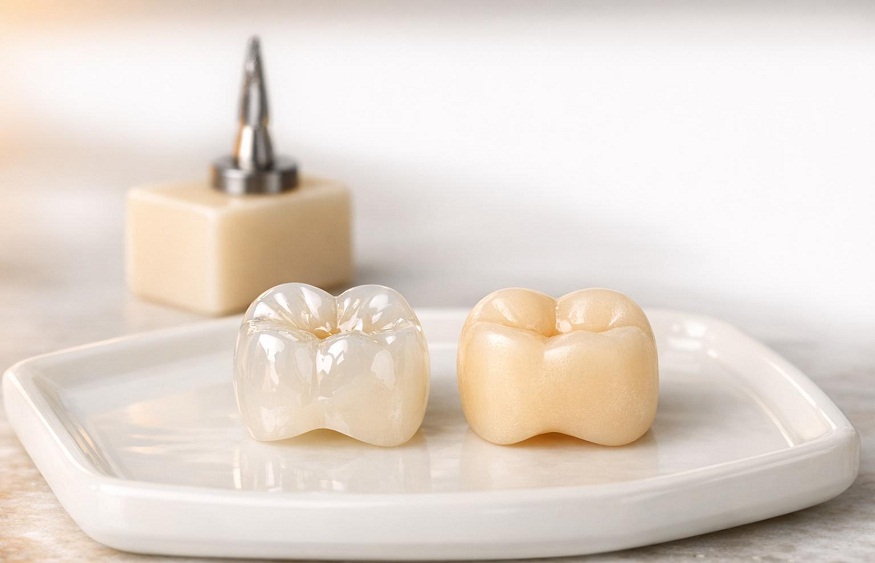
When a cavity forms on a front tooth – or when chipping, cracking, or wear affects the visible teeth at the front of your smile – the choice of filling material carries more weight than it would for a back molar. Function still matters, of course, but aesthetics become an equally important consideration. A filling that works perfectly well in a molar but leaves a gray or metallic patch on a front tooth is simply not an acceptable outcome for most patients. Understanding which materials are available, how they perform in the anterior region of the mouth, and what factors influence the best choice for your specific situation puts you in a much stronger position when discussing treatment options with your dentist.
Why Front Teeth Present Unique Challenges
Before comparing materials, it’s worth understanding what makes front teeth different from molars when it comes to restorative dentistry.
Visibility is the most obvious factor. The incisors and canines – the eight teeth at the front of the mouth – are prominently displayed during speaking, smiling, and laughing. Any restoration placed on these teeth is effectively on display, which means color matching, surface texture, and translucency all matter in ways they simply don’t for posterior teeth hidden at the back of the mouth.
Read More: Best Pediatric Dental Clinics Near You How to Choose the Right One
While molars absorb heavy, repetitive grinding and crushing forces during chewing, front teeth primarily handle shearing and biting forces – the initial cut into food. This means materials used on front teeth don’t necessarily need to withstand the same compressive loads as those used on molars, which opens up some options that would be too fragile for back teeth.
Tooth structure preservation is also a greater concern anteriorly. Front teeth are generally smaller and narrower than molars, meaning there is less tooth structure available to work with. Techniques and materials that require minimal removal of healthy tooth tissue are preferable wherever possible.
Translucency is a subtler but important point. Natural front teeth are not uniformly opaque – they have a degree of translucency, particularly near the edges, that gives them a lifelike quality. The best filling materials for front teeth replicate this optical property rather than producing a flat, artificial-looking result.
The Available Filling Materials for Front TeethComposite Resin – The Most Common Choice
Composite resin is the most widely used filling material for front teeth, and for good reason. It consists of a mixture of plastic resin and finely ground glass or ceramic particles that can be precisely color-matched to the surrounding tooth structure. When placed and polished by a skilled dentist, a composite filling on a front tooth is virtually indistinguishable from natural enamel.
Key advantages of composite resin for front teeth:
- Excellent aesthetics. Composite comes in a wide range of shades and translucencies, allowing dentists to blend the material seamlessly with the natural tooth. Modern composite systems use layering techniques – applying different shades and opacities in sequence – to replicate the natural gradient of a tooth from root to tip.
- Minimal tooth removal. Composite bonds directly to tooth structure through an adhesive bonding process, which means the dentist only needs to remove decayed or damaged tissue. No additional healthy tooth structure needs to be sacrificed to create mechanical retention, as was historically required for amalgam fillings.
- Versatility. Beyond filling cavities, composite can be used to repair chips, close small gaps, reshape irregular teeth, and mask minor discoloration – making it a remarkably flexible material for anterior cosmetic and restorative work.
- Single appointment. Composite fillings are placed directly at chairside and hardened with a curing light in a single visit, with no lab fabrication required.
Limitations of composite resin:
Composite is not without drawbacks. It is more susceptible to staining over time than ceramic alternatives – coffee, tea, red wine, and tobacco will gradually discolor the material, particularly at the margins where it meets the tooth. It also wears slightly faster than natural enamel or ceramic materials, and larger composite restorations may need replacement after seven to ten years. The quality of the final result is also highly technique-sensitive – an experienced, detail-oriented dentist will achieve significantly better aesthetic outcomes than a less practiced one using the same material.
Ceramic (Porcelain) – The Premium Aesthetic Option
For patients seeking the highest possible aesthetic outcome, particularly for more extensive restorations on front teeth, ceramic – most commonly dental porcelain – is the material of choice. Ceramic restorations for front teeth most often take the form of porcelain veneers or ceramic inlays and onlays rather than direct fillings, though ceramic is also used in indirect composite-ceramic restorations.
Key advantages of ceramic for front teeth:
- Superior aesthetics and translucency. Porcelain closely mimics the optical properties of natural enamel, including its translucency, light reflection, and depth of color. For patients with high aesthetic demands – particularly those replacing large areas of tooth structure – ceramic produces results that composite simply cannot match.
- Stain resistance. Unlike composite resin, porcelain is highly resistant to staining. Its glazed surface does not absorb pigments from food and beverages, meaning the restoration maintains its color far longer than composite.
- Durability. Ceramic restorations, when properly fabricated and bonded, are extremely durable and can last fifteen years or more with good care.
- Biocompatibility. Porcelain is well tolerated by gum tissue and does not provoke the soft tissue irritation that can occasionally occur with metal-containing materials.
Limitations of ceramic:
The primary drawbacks of ceramic restorations are cost and complexity. Ceramic restorations are indirect – meaning they are fabricated in a dental laboratory from impressions or digital scans taken at the dental office, requiring at least two appointments. The cost is considerably higher than direct composite. Ceramic is also more brittle than composite under impact forces, meaning it can fracture if subjected to trauma – a consideration for patients who grind their teeth or play contact sports.
Glass Ionomer – A Limited Role Anteriorly
Glass ionomer cement is a tooth-colored material that releases fluoride, which helps prevent secondary decay around the restoration. It bonds chemically to tooth structure and is relatively easy to place.
However, glass ionomer has significant limitations that make it a poor choice for most front tooth restorations in adults. It is considerably less aesthetic than composite – its color matching capabilities are more limited and its surface finish is not as smooth or lustrous. It is also much less durable, wearing and degrading faster than composite or ceramic under normal oral conditions.
Glass ionomer is most appropriately used for front teeth in specific situations: very small cavities in low-stress areas, temporary restorations, restorations in young children where longevity is less critical and fluoride release is a priority, or as a base layer beneath a composite restoration (a technique called the sandwich technique) to benefit from its fluoride-releasing properties while achieving better aesthetics with the composite surface layer.
Amalgam – Not Appropriate for Front Teeth
Amalgam – the silver-colored metal alloy that has been used in dentistry for over 150 years – is categorically unsuitable for front teeth. Its silver-gray color makes it visually unacceptable in a visible location regardless of its functional performance. Beyond aesthetics, amalgam requires the removal of more healthy tooth structure than composite to create the mechanical undercuts needed for retention, which is particularly problematic in the smaller, narrower front teeth where preserving tooth structure is paramount.
While amalgam remains a durable and cost-effective option for back teeth in appropriate patients, it has no role in the restoration of anterior teeth.
Gold – Durable but Visually Incompatible
Gold restorations are among the most durable available, with a track record extending decades. Gold is biocompatible, kind to opposing teeth, and resistant to corrosion. For posterior teeth, many clinicians consider it the gold standard – quite literally – for longevity.
For front teeth, however, gold is not a realistic option for the overwhelming majority of patients. Its highly visible metallic color makes it aesthetically unacceptable in the anterior region for most people. It is mentioned here for completeness, but it is not a material your dentist is likely to suggest for a front tooth filling.
Factors That Influence the Best Choice for You
With composite resin established as the default material for front tooth fillings and ceramic as the premium option for more extensive restorations, the decision between them – and the specific approach taken – depends on several patient-specific factors.
- Size and extent of the restoration. Small to medium cavities on front teeth are ideally suited to direct composite. When a larger portion of the tooth needs to be replaced – due to extensive decay, a fracture, or significant wear – an indirect ceramic restoration provides better structural support and aesthetics.
- Location of the cavity. Cavities on the front surface of an incisor are highly visible and demand the most careful color matching and surface finishing. Cavities on the back surface of front teeth, while less visible, still benefit from tooth-colored materials for comfort and compatibility with surrounding tissue.
- Patient habits. Patients who consume large amounts of staining foods and beverages, or who smoke, should understand that composite fillings will discolor faster under these conditions. Ceramic is more resistant and may be worth the additional investment for these patients. Similarly, patients who grind their teeth (bruxism) place additional stress on all restorations – a nightguard should be part of the treatment plan regardless of which material is chosen.
- Budget and insurance. Composite fillings are considerably more affordable and are covered at least partially by most dental insurance plans. Ceramic restorations involve laboratory fees and typically cost two to five times more. For patients weighing cost against longevity and aesthetics, a detailed conversation with their dentist about the expected lifespan of each option in their specific case is worthwhile.
- Dentist skill and technique. This cannot be overstated. Composite resin in particular is a highly technique-sensitive material. The final aesthetic result depends enormously on the dentist’s experience with shade selection, layering technique, and surface finishing. Choosing a provider with demonstrated expertise in anterior restorations – and ideally reviewing before-and-after cases – is as important as the material choice itself. Practices like newfamilydental.com that offer a comprehensive range of restorative and cosmetic services are well positioned to match the right material and technique to each patient’s specific anatomy and aesthetic goals.
Caring for Fillings on Front Teeth
Regardless of which material is chosen, the longevity of a front tooth filling depends heavily on how well it is maintained.
Avoid biting directly into very hard foods with your front teeth – crusty bread, hard candy, ice, and similar items place stress on restorations that can cause chipping or debonding, particularly at the edges of composite fillings.
Manage staining habits. If you consume coffee, tea, red wine, or other staining foods and beverages regularly, rinsing with water afterward and maintaining diligent brushing habits will slow the discoloration of composite restorations.
Use a soft-bristled toothbrush. Hard bristles and abrasive toothpastes can scratch the polished surface of composite, making it more susceptible to staining and plaque adhesion over time.
Wear a nightguard if you grind your teeth. Bruxism is one of the fastest ways to wear down or fracture a front tooth restoration. A custom-fitted nightguard protects both the restoration and the underlying tooth structure.
Attend regular check-ups. Your dentist will monitor the margins and surface condition of your fillings at routine visits and can polish or repair minor defects before they require full replacement.
Frequently Asked QuestionsHow long do composite fillings on front teeth last?
With good oral hygiene and regular dental visits, composite fillings on front teeth typically last seven to ten years, though many last longer. The edges of the filling where it meets the tooth are the area most prone to staining and wear over time.
Will my filling be noticeable?
With modern composite materials and a skilled dentist performing careful shade matching and surface finishing, a filling on a front tooth should be virtually invisible under normal lighting conditions. Very large fillings replacing a significant portion of the tooth may be more apparent, which is one reason ceramic restorations are preferred for more extensive anterior work.
Can a filling fix a chipped front tooth?
Yes – composite resin is frequently used to repair chips on front teeth, and the results can be excellent. For small to medium chips, this is a straightforward, single-appointment procedure. For larger fractures, a ceramic veneer or crown may provide a more durable and aesthetic outcome.
Is there any pain involved in getting a front tooth filling?
The area will be numbed with local anesthesia before the procedure, so you should not feel pain during treatment – only mild pressure. Some temporary sensitivity to temperature and touch is normal for a few days afterward and typically resolves on its own.
Can existing fillings on front teeth be replaced for cosmetic reasons?
Yes. Patients who have older composite fillings that have discolored, stained, or no longer match the surrounding teeth can have them replaced with new composite or ceramic restorations that better reflect the current shade and condition of their smile. This is a common and straightforward procedure.
The Bottom Line
For the vast majority of front tooth cavities and minor chips, composite resin is the material of choice – it offers excellent aesthetics, requires minimal tooth removal, and can be completed in a single appointment at a reasonable cost. For more extensive restorations where longevity and premium aesthetics are the priority, ceramic provides superior stain resistance and optical properties at a higher cost and with greater procedural complexity.
Read More : Root Canal Treatment in Australia: How Modern Technology Is Changing Patient Experience
The right choice ultimately depends on the size and location of the restoration, your habits, your budget, and the skill of your dental provider. A thorough consultation with your dentist – one that covers not just which material to use but how it will be placed and finished – is the most important step toward a result that looks natural, functions well, and stands the test of time.