Why Implant Dentistry Is Becoming the Cornerstone of Modern Dental Practices
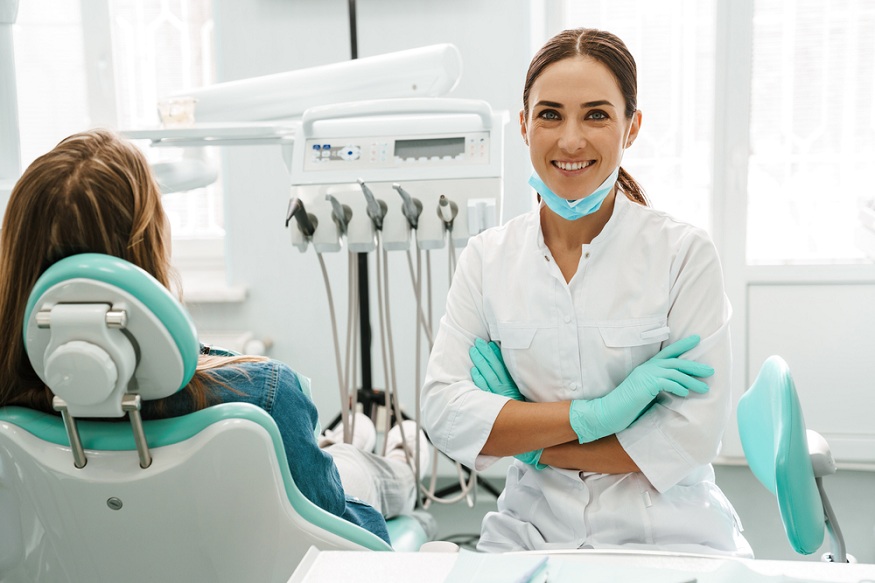
The landscape of professional dental medicine has undergone a profound shift across Australia, moving away from temporary, reactive solutions toward permanent, biomechanically sound restorations. Historically, traditional prosthetics like conventional bridges and removable dentures served as the standard of care for missing teeth, yet they frequently introduced long-term complications, including accelerated jawbone resorption and the unnecessary structural compromise of adjacent teeth. Today, leading dental practices are increasingly positioning implantology at the absolute center of their comprehensive treatment offerings. This nationwide transition represents much more than a cosmetic upgrade for patients; it is a vital clinical evolution rooted in bone preservation, structural longevity, and superior functional outcomes that match the demands of modern healthcare.
Preservation of Jawbone Structure and Oral Health
One of the most compelling reasons implant dentistry has taken center stage in clinics is its unique biological interaction with human anatomy. When a tooth is lost due to trauma or decay, the surrounding alveolar bone no longer receives the mechanical stimulation required to trigger natural bone remodeling. Consequently, the jawbone naturally begins to waste away over time, a degenerative process that can alter a patient’s facial profile, cause premature aging, and compromise the stability of remaining healthy teeth.
Dental implants, typically constructed from bioinert titanium alloys, resolve this issue entirely by perfectly mimicking the natural tooth root. Through the biological process of osseointegration, the living bone fuses directly to the treated implant surface, establishing a rigid, permanent foundation within the jaw. This structural bond transmits everyday chewing forces straight into the bone tissue, actively stimulating it and preventing further degradation. By halting bone loss early, clinicians can safeguard the integrity of the entire dental arch, rendering dental implants a vital preventative measure rather than just an aesthetic fix.
Aesthetic Excellence and Patient Confidence
Modern restorative care places an equal emphasis on functional success and lifelike aesthetic realism. Patients seeking treatment are no longer satisfied with prosthetics that look artificial, cause speech impediments, or shift unpredictably during mastication. Because a modern implant emerges directly from the gumline, it perfectly replicates the emergence profile of a natural tooth.
This architectural accuracy ensures that the final ceramic crown blends seamlessly with the patient’s existing dentition. Beyond the mechanical and structural advantages, patients prefer dental implants for natural-looking smile restoration because they recreate the exact texture, translucent quality, and alignment of natural enamel. This eliminates the intense self-consciousness frequently associated with visible metal clasps or shifting full plates, providing an immense boost to overall psychological well-being, social confidence, and daily quality of life.
Unmatched Durability and Success Rates
From a clinical standpoint, the high predictability of implant therapies makes them incredibly appealing to modern practitioners. While conventional dental bridges often require replacement every 7 to 15 years due to recurrent decay under the crowns or structural failure of the anchor teeth, dental implants boast long-term survival rates exceeding 95 percent over a decade.
Read More: Why Implant Dentistry Is Becoming the Cornerstone of Modern Dental Practices
Because they function as entirely independent units, implants completely eliminate the need to grind down adjacent healthy teeth, preserving the natural dentition intact. They are also completely immune to dental cavities. When maintained with diligent home oral hygiene and routine professional cleans, they are designed to last a lifetime, positioning the initial treatment as a highly stable, lifelong investment in oral health.
Advanced Diagnostics and Guided Surgery Techniques
The rise of implant dentistry as a clinical cornerstone is deeply intertwined with recent revolutions in spatial imaging and digital manufacturing workflows. Practitioners no longer rely solely on two-dimensional x-rays to plan complex surgical interventions. Instead, three-dimensional Cone Beam Computed Tomography (CBCT) provides high-resolution data regarding exact bone density, cortical thickness, and the location of vital anatomical pathways, such as the inferior alveolar nerve.
When these volumetric scans are paired with digital intraoral impressions, clinicians can utilize computer-aided design software to virtually plan the exact angulation and depth of the implant before the patient ever enters the operatory. This data is used to fabricate highly precise, patient-specific surgical guides. By transforming blind surgeries into fully guided, minimally invasive procedures, practices are experiencing significantly reduced intraoperative complications, accelerated soft-tissue healing times, and remarkably predictable prosthetic outcomes.
Streamlining the Modern Clinical Workflow
For contemporary dental practices, integrating advanced implantology protocols serves as a powerful driver of clinical efficiency and business growth. The development of immediate-placement and immediate-loading protocols allows dentists to extract a compromised tooth and place a stable implant fixture during a single clinical appointment.
Rear More: The Hidden Benefits of Twice-Yearly Dental Checkups
This drastically shortens the total treatment timeline and minimizes the total number of surgical interventions required. By keeping these sophisticated restorative procedures in-house, modern practices can maintain total continuity of care, improve patient retention, and expand their clinical capabilities. Ultimately, leveraging dental technology enables dental teams to deliver highly precise, predictable outcomes that establish implantology as the undeniable cornerstone of modern oral healthcare.