Best Pediatric Dental Clinics Near You How to Choose the Right One
4 min read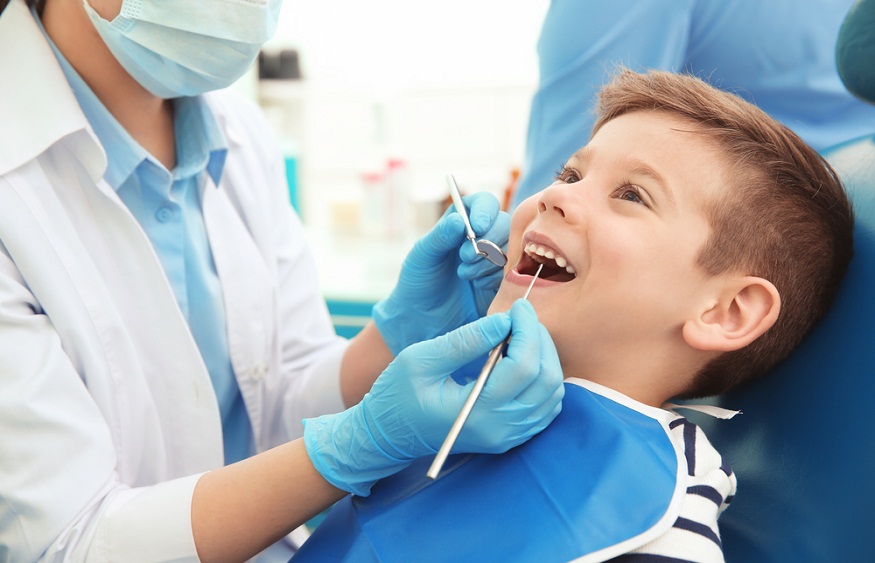
When it comes to your child’s health, you probably already have a pediatrician, a family doctor, and maybe even a specialist or two on speed dial. But when it comes to their teeth, many parents simply book an appointment with whoever the family has always used. While that may feel convenient, there’s a meaningful difference between a general dentist and a pediatric dentist — and understanding that difference could shape your child’s relationship with oral health for the rest of their life.
What Makes a Pediatric Dentist Different?
Pediatric dentists, also known as pedodontists, complete two to three additional years of specialized training after dental school. That extra time isn’t just spent learning about smaller teeth. It covers child psychology, behavior management, developmental stages of the jaw and bite, and how to work with children who have special health needs or dental anxiety.
In short, they aren’t just dentists who happen to treat kids — they’re specialists who have made children’s oral health their entire focus.
The First Visit: Earlier Than You Think
One of the most common surprises for new parents is how early the first dental visit should happen. Most parents wait until age three, by which point early issues like baby bottle tooth decay or misalignment may already be developing quietly beneath the surface.
Read More : Root Canal Treatment in Australia: How Modern Technology Is Changing Patient Experience
An early visit isn’t about drilling or filling. It’s about establishing a baseline, giving parents guidance on feeding habits and pacifier use, and helping the child build a sense of familiarity with the dental environment before fear has a chance to take root.
Dental Anxiety Starts Young — And It Can Last a Lifetime
Research consistently shows that negative dental experiences in childhood are a leading predictor of dental phobia in adults. A child who associates the dentist with fear or pain is far more likely to avoid dental care as a teenager and into adulthood, which creates a cycle of neglect that becomes increasingly costly and complicated to address.
Pediatric dental offices are designed with this in mind. From the waiting room décor to the way hygienists communicate, everything is calibrated to make a child feel safe rather than anxious. Many offices use techniques like “tell-show-do” — where the dentist explains what’s about to happen, demonstrates it on a model, and then performs the procedure — to reduce the element of surprise and build trust.
Baby Teeth Are Not Disposable
A persistent myth among parents is that baby teeth don’t really matter because they fall out anyway. This couldn’t be further from the truth. Primary teeth hold space in the jaw for permanent teeth. When they’re lost prematurely due to decay or infection, the surrounding teeth shift, and the permanent teeth that eventually erupt may do so crooked or crowded — often requiring years of orthodontic treatment that could have been avoided.
Beyond spacing, untreated cavities in baby teeth can cause pain that affects a child’s ability to eat, sleep, and concentrate in school. In some cases, severe infections can spread and become genuinely dangerous.
Spotting Problems Before They Become Problems
Pediatric dentists are trained to detect the early signs of conditions that a general dentist might not flag in a young patient. These include tongue-tie (ankyloglossia), which can affect feeding and speech development; early signs of sleep-disordered breathing linked to jaw structure; thumb-sucking or pacifier habits that are beginning to alter tooth alignment; and grinding (bruxism), which is more common in children than many parents realize.
Catching these early doesn’t just protect the teeth — it can prevent referrals down the line to orthodontists, speech therapists, or ENT specialists for issues that could have been addressed much sooner.
How to Prepare Your Child for Their First Visit
The way you talk about the dentist at home matters more than you might expect. Avoid using words like “pain,” “shot,” or “drill,” even in a reassuring context (“it won’t hurt” still puts the idea of hurting on the table). Instead, keep the language positive and matter-of-fact. Tell them the dentist is going to count their teeth and make sure they’re strong and healthy.
Why Your Child Needs a Pediatric Dentist — Not Just Any Dentist
Playing pretend dentist at home, reading children’s books about dental visits, and letting your child bring a comfort toy to their appointment are all small strategies that can make a genuine difference. The goal isn’t to oversell the experience — it’s to normalize it.
Finding the Right Fit
Not every pediatric dentist will be the perfect match for every child. If your child has a history of medical anxiety, sensory sensitivities, or a condition like autism spectrum disorder, look for a practice that explicitly lists experience with special needs patients. Many pediatric dental offices offer sedation options for children who need additional support to receive safe, stress-free care.
Read More : Why Today’s Root Canal Treatment Is the Best Way to Save Your Smile
The right pediatric dentist doesn’t just clean your child’s teeth — they become a trusted figure in your child’s healthcare team. And the habits and comfort your child builds with that provider can genuinely last a lifetime.