Dental Implants vs. Orthodontic Solutions for Missing Teeth in Children
4 min read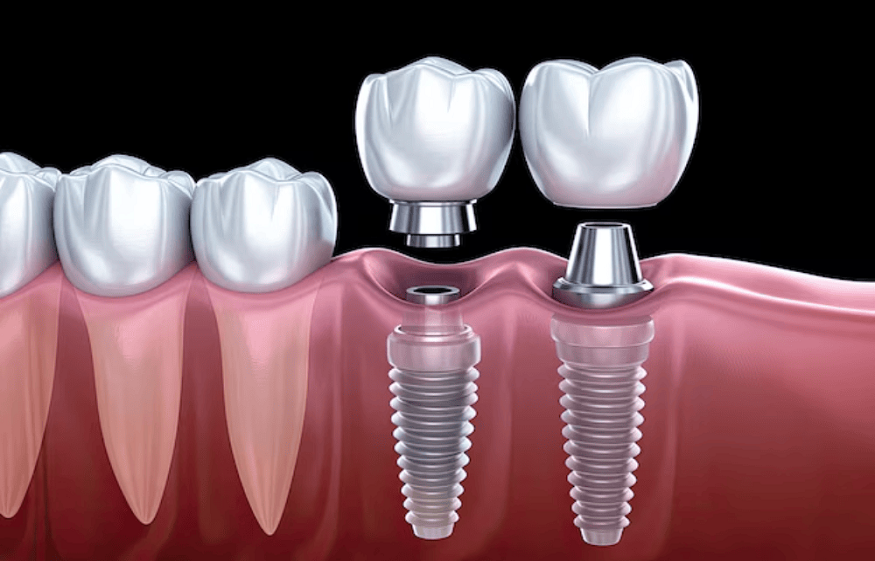
Tooth loss during childhood is usually a normal part of development, but when teeth are lost prematurely due to trauma, congenital conditions, or decay, parents are often faced with decisions about how to replace them. Two commonly discussed options are dental implants and orthodontic space management. Both approaches serve different purposes and are not always interchangeable, especially in children who are still growing. Understanding the differences can help parents make informed choices while supporting both oral health and proper facial development.
Why Missing Teeth Can Be a Concern
Permanent teeth lost early or those that never form (a condition known as hypodontia) can create several challenges. Beyond the cosmetic concerns, missing teeth may impact:
Chewing efficiency
Speech development
Growth of the jaws
Alignment of surrounding teeth
Self-esteem during formative years
Because children are still developing physically and emotionally, the solution must account for future growth rather than just filling a visual gap.
Dental Implants: A Modern but Limited Option for Children
Dental implants are widely regarded as a durable and natural-looking solution for tooth replacement in adults. However, in pediatric dentistry their use is far more limited. The main reason is growth. Implants function like artificial roots and integrate into the jawbone. Once integrated, they remain fixed in position — unlike natural teeth, which can move as the jaws grow.
If an implant is placed too early, it may fail to “grow” with surrounding bone and teeth. As a result, over time the implant may appear submerged or misaligned, creating both aesthetic and functional issues. Most children’s craniofacial growth doesn’t fully stabilize until late adolescence, around:
Girls: approximately 16–18 years old
Boys: approximately 18–21 years old
Because of this, dental implants are generally deferred until growth is complete. Exceptions exist, such as in cases involving severe congenital anomalies or syndromes, but such cases require multidisciplinary planning and are not the norm.
Orthodontic Solutions as the Primary Approach for Growing Patients
Orthodontic solutions are far more commonly used for children with missing teeth because they can adapt to growth. There are two primary strategies:
1. Space Maintenance
If a tooth is missing and a future implant or prosthetic treatment is planned, orthodontic appliances can hold the space open. This prevents adjacent teeth from drifting into the gap, which makes later treatment easier. Space can be maintained using:
Removable retainers
Fixed space maintainers
Clear aligners (in some cases)
2. Space Closure
In certain cases, orthodontists deliberately close the gap by shifting adjacent teeth into the space. This strategy can eliminate the need for future prosthetic replacement altogether. For example, canine teeth may be used to substitute for missing incisors, with reshaping later for cosmetic harmony.
Space closure works especially well for children with mild to moderate hypodontia and no significant bite discrepancies. It also avoids later surgical procedures, implants, and long-term maintenance.
Temporary Dental Options While Waiting for Implants
When aesthetics are a concern, temporary restorations can be provided while children await adulthood for implants. These may include:
Pediatric partial dentures (“flippers”)
Bonded bridges
Removable prosthetics
Essix retainers with artificial teeth
These solutions focus on appearance and function without interfering with jaw growth.
Comparing the Two Approaches
Factor Dental Implants Orthodontic Solutions Suitable Age Late teens–adults Children & teens Growth Considerations Cannot adapt to growth Designed to adapt Invasiveness Surgical Non-surgical Longevity Permanent after growth completion Temporary or definitive depending on case Primary Goal Replace missing tooth Maintain or manipulate space Aesthetics Excellent after placement Variable, sometimes involves temporary appliances
Psychosocial Considerations
A child with highly visible missing teeth may experience bullying or self-esteem issues, especially during school years. Orthodontists and pediatric dentists often collaborate to address these concerns in a minimally invasive way until permanent solutions become possible.
Parents should understand that while implants may seem like the most “complete” option, delaying them is often the safest choice for long-term facial harmony.
Cost Considerations
Dental implants can be a significant investment, especially when additional procedures like bone grafting or orthodontic alignment are required beforehand. Conversely, orthodontic management spreads costs over time and may reduce the need for future surgeries. In some cases, successful space closure eliminates implant costs entirely.
So, Which Option Is Best?
There is no single answer because ideal treatment depends on many factors, including:
Age and growth stage
Number of missing teeth
Jaw alignment and bite
Facial aesthetics
Long-term goals
Psychological considerations
However, as a general guideline:
Children and adolescents are typically better managed with orthodontic strategies, reserving implants for late teens or adulthood once growth is complete.
Final Thoughts
Dental implants are a highly effective replacement for missing teeth, but their timing is crucial. In children, implants can cause long-term complications if placed too early. Orthodontic solutions provide flexible, growth-compatible alternatives that preserve options for the future. With the help of pediatric dentists, orthodontists, and oral surgeons, parents the help of pediatric dentists, orthodontists, and oral surgeons, parents can create a phased treatment plan that supports both health and confidence throughout childhood and adolescence.