Your Guide to a Healthier Smile: Understanding the Power of Professional Dental Cleanings
11 min read
We all desire a bright, healthy smile, but achieving and maintaining it involves more than just daily brushing and flossing. While home care is undeniably crucial, it’s the professional dental cleaning that serves as the cornerstone of optimal oral health. Often overlooked or postponed, these regular visits to our dental hygienist are far from a luxury; they are an essential preventative measure that safeguards not only our teeth and gums but also our overall well-being.
Think of a professional dental cleaning as a reset button for your mouth. Over time, even with diligent brushing, plaque and tartar can accumulate in hard-to-reach areas, leading to a host of problems from bad breath to serious gum disease and tooth decay. Our dental team possesses the specialized tools and expertise to meticulously remove these harmful deposits, reaching spots that your toothbrush and floss simply cannot.
Read More : Behavior Health / Addiction: Understanding the Connection, Challenges, and Path to Recovery
In this comprehensive guide, we’ll delve deep into the world of professional dental cleaning. We’ll explore what exactly happens during one of these vital appointments, uncover the myriad benefits that extend far beyond aesthetics, discuss how we can maintain peak oral health between visits, and answer some of the most frequently asked questions. Our aim is to empower you with the knowledge to prioritize your oral health, ensuring your smile remains vibrant and strong for years to come.
What Happens During a Professional Dental Cleaning?
When we visit our dental office for a professional dental cleaning, we’re not just getting our teeth polished. It’s a thorough, multi-step process designed to remove plaque and tartar, prevent disease, and assess our overall oral health. While the exact sequence might vary slightly, here’s a general overview of what we can expect:
The Initial Assessment
Our dental hygienist will typically begin with a comprehensive examination of our mouth. This isn’t just a quick glance; it involves a careful inspection of our teeth, gums, tongue, and other oral tissues. They’ll be looking for:
- Signs of gum inflammation (gingivitis): Redness, swelling, or bleeding gums.
- Cavities: Small holes or weak spots in the tooth enamel.
- Plaque and tartar buildup: Visible deposits, especially along the gum line and between teeth.
- Other oral health concerns: Such as lesions, unusual growths, or signs of teeth grinding.
They may also take X-rays periodically, usually once a year or every few years, to detect issues not visible to the naked eye, like cavities between teeth or problems with bone structure.
Plaque and Tartar Removal (Scaling)
If not removed daily, it hardens into tartar (calculus), a calcified deposit that adheres firmly to the tooth surface and cannot be removed by brushing or flossing alone.
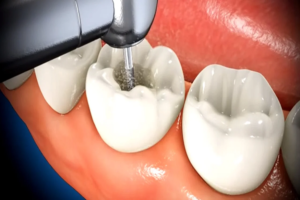
Our hygienist uses specialized instruments, typically a scaler (manual or ultrasonic), to meticulously remove these deposits:
- Ultrasonic Scaler: This device uses high-frequency vibrations and a cool mist of water to break down and wash away large pieces of plaque and tartar. It’s often used first for efficiency.
- Hand Scalers (Curettes and Sickle Scalers): These fine, curved instruments are used to carefully scrape away smaller, more stubborn deposits from the tooth surface, both above and slightly below the gum line. The hygienist works methodically, tooth by tooth, ensuring a thorough cleaning.
This process is crucial because plaque and tartar are teeming with bacteria that release acids, leading to tooth decay and gum disease.
Polishing
Once all plaque and tartar have been removed, our hygienist will polish our teeth. This involves using a small, soft rubber cup or brush attached to a dental handpiece, along with a slightly abrasive paste.
- Removes Surface Stains: The polishing paste effectively buffs away minor surface stains caused by coffee, tea, wine, and tobacco, leaving our teeth feeling incredibly smooth and looking brighter.
- Smooths Tooth Surfaces: A smooth tooth surface makes it harder for plaque to adhere, offering an extra layer of protection until our next visit.
Fluoride Treatment (Optional but Common)
Many dental cleanings conclude with a fluoride treatment, especially for children and individuals prone to cavities. Fluoride is a natural mineral that helps strengthen tooth enamel, making it more resistant to acid attacks from bacteria and sugars.
- Application: Fluoride is typically applied as a gel, foam, or varnish. It’s left on the teeth for a few minutes before being rinsed off. We might be advised to avoid eating or drinking for a short period afterward to allow the fluoride to fully absorb.
Oral Hygiene Instructions
Before we leave, our hygienist will often provide personalized advice on how to improve our daily oral hygiene routine. This might include:
- Demonstrating proper brushing and flossing techniques.
- Recommending specific toothbrushes, toothpastes, or mouthwashes.
- Discussing dietary habits that impact oral health.
- Answering any questions we might have about our oral care.
This complete process ensures that we leave with a cleaner, healthier mouth, equipped with the knowledge to maintain that freshness until our next appointment.
Beyond a Bright Smile: The Many Benefits of Regular Cleanings
While the immediate satisfaction of a sparkling, fresh smile after a dental cleaning is undeniable, the true value of these appointments extends far beyond aesthetics. Regular professional cleanings are a powerful tool for preventing serious health issues and maintaining our overall well-being.
Preventing Cavities and Gum Disease
Plaque and tartar, if left undisturbed, are the primary culprits behind:
- Cavities: The bacteria in plaque produce acids that erode tooth enamel, leading to decay. A professional dental cleaning removes these acidic deposits.
- Gingivitis: This is the earliest stage of gum disease, characterized by inflamed, red, swollen, and bleeding gums. It’s reversible with good oral hygiene and professional cleanings.
- Periodontitis: If gingivitis is left untreated, it can progress to periodontitis, a more severe form of gum disease that damages the soft tissue and bone supporting our teeth. This can lead to tooth loosening and eventual tooth loss. Regular cleanings are essential for preventing this progression.
According to the Centers for Disease Control and Prevention (CDC), nearly half of adults aged 30 years or older in the United States have some form of gum disease. Regular dental cleaning significantly reduces our risk.
Freshening Breath
Chronic bad breath, or halitosis, is often a result of bacteria accumulating in our mouths, particularly in plaque and tartar. These bacteria release foul-smelling volatile sulfur compounds. A professionaldental cleaning eliminates these bacterial colonies, along with food particles trapped in hard-to-reach areas, leaving us with noticeably fresher breath. It’s a simple, effective solution that boosts our confidence in social interactions.
Early Detection of Oral Issues
Our dental hygienist and dentist are trained to spot subtle signs of problems that we might miss. During a dental cleaning and examination, they can:
- Identify early signs of cavities before they become large and painful.
- Detect gum disease in its initial stages, when it’s most treatable.
- Screen for oral cancer, looking for suspicious lesions, sores, or abnormal tissue changes on the tongue, cheeks, lips, and throat. Early detection dramatically improves treatment outcomes for oral cancer.
- Spot issues like jaw problems (TMJ disorders), teeth grinding (bruxism), or misaligned bites.
This proactive approach means that potential problems can be addressed quickly, often with less invasive and less costly treatments.
Maintaining Overall Health
The link between oral health and systemic health is increasingly recognized. Our mouth is a gateway to the rest of our body, and what happens there can affect our overall health.
- Cardiovascular Health: Studies suggest a link between severe gum disease and an increased risk of heart disease, stroke, and other cardiovascular problems. The inflammation and bacteria from our mouth can enter our bloodstream.
- Diabetes: People with diabetes are more susceptible to gum disease, and gum disease can, in turn, make it harder to control blood sugar levels. Regular cleanings are vital for diabetics.
- Respiratory Health: Oral bacteria can be inhaled into the lungs, potentially leading to respiratory infections like pneumonia, especially in older adults.
- Pregnancy Complications: Gum disease has been linked to adverse pregnancy outcomes, including preterm birth and low birth weight.
As Dr. Eleanor Vance, a leading periodontist, often emphasizes, “Our mouth is a window to our body’s health. Neglecting oral hygiene isn’t just about losing teeth; it’s about potentially compromising our systemic health. A professional dental cleaning isn’t just for our teeth; it’s for our entire body.”
Boosting Confidence
A healthy, clean mouth contributes significantly to our self-esteem. Knowing that our breath is fresh and our smile is bright allows us to interact with others more confidently, whether in professional settings or personal relationships. The sense of well-being that comes from maintaining good health, including oral health, is invaluable.
Maintaining Your Oral Health Between Visits
While professional dental cleaning is indispensable, the health of our mouth between appointments largely depends on our daily habits. We play the most critical role in safeguarding our oral health every single day. Here’s how we can maintain that fresh-from-the-dentist feeling and prevent issues between visits:
The Pillars of Daily Oral Care
- Brushing Effectively:
- Frequency: Brush at least twice a day, ideally in the morning and before bed.
- Duration: Aim for two minutes each time. Many electric toothbrushes have built-in timers.
- Technique: Use a soft-bristled toothbrush and hold it at a 45-degree angle to the gum line. Use gentle, circular motions, covering all surfaces of each tooth. Don’t forget to brush your tongue to remove bacteria that cause bad breath.
- Flossing Daily:
- Frequency: Floss at least once a day, preferably before bed.
- Technique: Take about 18 inches of floss, winding most of it around your middle fingers. Guide about an inch of floss between your teeth. Gently curve the floss into a C-shape against one tooth, slide it beneath the gum line, and move it up and down. Repeat for the adjacent tooth. Use a clean section of floss for each tooth.
- Alternatives: If traditional floss is challenging, consider interdental brushes, water flossers, or floss picks.
- Using Mouthwash (When Appropriate):
- Therapeutic vs. Cosmetic: Therapeutic mouthwashes contain active ingredients like fluoride or antibacterial agents that can help reduce plaque, gingivitis, or bad breath. Cosmetic mouthwashes primarily mask bad breath temporarily.
- Consult Your Dentist: We should always consult our dentist or hygienist about which type of mouthwash, if any, is right for us. It’s a supplement, not a replacement, for brushing and flossing.
Dietary Choices and Habits
What we eat and drink significantly impacts our oral health.
- Limit Sugary and Acidic Foods/Drinks: Sugars feed the bacteria that produce cavity-causing acids. Acidic foods and beverages (like sodas, citrus fruits, and sports drinks) can erode enamel.
- Stay Hydrated with Water: Water helps wash away food particles and neutralize acids. Fluoridated tap water is especially beneficial.
- Eat a Balanced Diet: Nutrient-rich foods, including fruits, vegetables, lean proteins, and dairy, provide the vitamins and minerals necessary for strong teeth and healthy gums. Calcium, phosphorus, and Vitamin C are particularly important.
- Avoid Snacking Between Meals: Frequent snacking, especially on sugary items, exposes our teeth to constant acid attacks. If we must snack, choose tooth-friendly options like cheese, nuts, or raw vegetables.
Recognizing Warning Signs
We should be vigilant for any changes in our oral health and report them to our dentist promptly. These include:
- Persistent bad breath
- Bleeding or swollen gums
- Tooth sensitivity to hot or cold
- Loose teeth
- Sores or lesions that don’t heal
- Pain in our teeth or jaw
Early intervention can prevent minor issues from becoming major problems.
The Importance of Regular Check-ups
Even with the best home care, professional check-ups and dental cleaning are indispensable. We recommend visiting our dental office typically every six months, or more frequently if we have specific oral health concerns like gum disease. These regular appointments allow our dental team to monitor our oral health, provide thorough cleanings, and address any potential issues before they escalate. If you’re looking for experienced professionals who prioritize preventive care and patient comfort, Noble Dentistry Chicago offers comprehensive dental cleanings and personalized treatment plans to help you maintain a healthier smile.
Frequently Asked Questions About Dental Cleanings
We understand that you might have questions about dental cleaning and what it entails. Here are answers to some of the most common inquiries we receive:
How often should we get a dental cleaning?
For most individuals with good oral health, we recommend a professional dental cleaning and check-up every six months. However, if you have specific risk factors, such as a history of gum disease, frequent cavities, diabetes, or are a smoker, your dentist might advise more frequent visits, perhaps every three or four months. It’s always best to follow your dental professional’s personalized recommendation.
Is a dental cleaning painful?
For most people, a routine dental cleaning is not painful. You might experience some mild discomfort or pressure, especially if there’s significant tartar buildup or if your gums are inflamed. Our hygienists are highly skilled and gentle. If you have sensitive teeth or are prone to anxiety, please let our team know. We can often use desensitizing gels, topical anesthetics, or provide breaks to ensure your comfort. For deeper cleanings (scaling and root planing), local anesthesia is typically used to ensure a pain-free experience.
What’s the difference between a regular cleaning and a deep cleaning?
- Regular Cleaning (Prophylaxis): This is the standard dental cleaning we’ve discussed, performed for individuals with healthy gums or mild gingivitis. It focuses on removing plaque and tartar from above the gum line and slightly below it.
- Deep Cleaning (Scaling and Root Planing): This is a more intensive procedure for patients diagnosed with periodontitis (moderate to severe gum disease). It involves thoroughly cleaning the root surfaces of the teeth to remove plaque and tartar from deep periodontal pockets and smoothing the root surfaces to help the gums reattach to the teeth. This procedure often requires local anesthesia and is typically done in multiple appointments.
Can dental cleanings whiten our teeth?
A professional dental cleaning can make your teeth appear brighter by removing extrinsic (surface) stains caused by food, drinks, and tobacco. This can significantly improve the natural brightness of your smile. However, a dental cleaning does not change the intrinsic (internal) color of your teeth or bleach them. For true tooth whitening or bleaching, a separate cosmetic procedure would be necessary.
What if we skip our regular dental cleanings?
Skipping regular dental cleaning appointments can have several negative consequences:
Read More : TIPS FOR COMPARING CIGARETTES ONLINE IN CANADA
- Increased Risk of Cavities: Untreated plaque and tartar will continue to erode enamel.
- Worsening Gum Disease: Gingivitis can progress to periodontitis, leading to bone loss and potential tooth loss.
- Persistent Bad Breath: Bacteria and trapped food particles will continue to cause halitosis.
- Missed Early Detection: Oral health issues, including serious conditions like oral cancer, might go unnoticed until they become more advanced and harder to treat.
- More Extensive and Costly Treatments: Neglecting preventative care often leads to the need for more complex and expensive restorative procedures down the line.
Prioritizing your bi-annual dental cleaning is an investment in your long-term health and a commitment to a vibrant, confident smile. We are here to help you achieve and maintain optimal oral health.