Temporary Crowns vs. Permanent Crowns: What You Need to Know

When your dentist recommends a dental crown, you may be surprised to learn the process often involves two separate crowns -a temporary one placed first, followed by a permanent restoration. Understanding the differences between these two types of crowns can help you know what to expect at each stage of your treatment and how to care for your smile throughout the process.
What Is a Temporary Crown?
A temporary crown, sometimes called a provisional crown, is a short-term restoration placed over a prepared tooth while your permanent crown is being fabricated in a dental laboratory. It serves as a placeholder, protecting the underlying tooth structure and maintaining the appearance and function of your smile in the interim.
Temporary crowns are typically made from acrylic resin or composite materials and are created chairside by your dentist -often during the same appointment in which your tooth is prepared. Because they are fabricated quickly and intended only for short-term use, they are not as durable or precisely fitted as permanent crowns.
What Is a Permanent Crown?
A permanent crown is a custom-made dental restoration designed to fit over a damaged, weakened, or heavily restored tooth for the long term. It is fabricated in a professional dental laboratory from detailed impressions or digital scans taken of your prepared tooth, ensuring an accurate fit, proper bite alignment, and a natural appearance.
Read More: How Long Do Dental Fillings Last?
Permanent crowns can be made from a variety of materials, including porcelain, ceramic, zirconia, metal alloys, or combinations of these. Each material has distinct advantages in terms of aesthetics, strength, and cost, and your dentist will recommend the most suitable option based on the location of the tooth and your individual needs.
Key Differences Between Temporary and Permanent Crowns
Material and Durability
Temporary crowns are made from lightweight acrylic or composite resin, which is easy and fast to work with but prone to wear, chipping, and staining. Permanent crowns, by contrast, are crafted from high-strength materials engineered to withstand years of biting forces and daily use. A well-cared-for permanent crown can last 10 to 15 years or even longer.
Fit and Aesthetics
Because temporary crowns are made quickly in the dental office, they may not match the exact color, shape, or contour of your surrounding teeth as closely as a permanent crown. Permanent crowns are custom-designed to blend seamlessly with your smile, with careful attention to shade, translucency, and anatomy.
Type of Cement Used
Temporary crowns are secured with a weak, short-term dental cement that allows them to be removed easily when your permanent crown is ready. Permanent crowns are bonded with a strong, long-lasting dental cement or adhesive to ensure they remain firmly in place under the stresses of chewing and speaking.
How Long Do You Wear a Temporary Crown?
In most cases, patients wear a temporary crown for one to three weeks -the time needed for the dental laboratory to fabricate the permanent restoration. During this period, it is important to treat your temporary crown with care. Avoid sticky or hard foods that could dislodge or crack it, and try to chew on the opposite side of your mouth when possible.
Read More: Why Implant Dentistry Is Becoming the Cornerstone of Modern Dental Practices
Maintaining good oral hygiene around a temporary crown is equally important. Brush gently and floss carefully -sliding the floss out sideways rather than lifting it up, which could pull the crown off. If your temporary crown does come loose or fall out, contact your dentist promptly, as leaving the tooth unprotected can cause sensitivity or shifting.
Choosing the Right Dental Practice for Your Crown
The quality of both your temporary and permanent crown depends greatly on the skill and technology of the dental practice you choose. A practice that uses advanced digital impressions, collaborates with reputable dental labs, and takes time to educate patients throughout each step of the process will consistently deliver better outcomes. If you are looking for compassionate, expert dental care in the Plymouth area, smilesonmainplymouth.com is a trusted local resource where patients receive personalized treatment and high-quality restorations tailored to their individual needs.
What to Expect at Your Crown Placement Appointments
First Appointment – Tooth Preparation and Temporary Crown
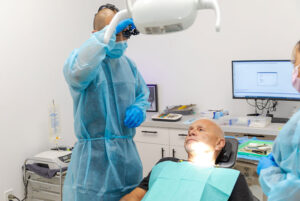
Your dentist will begin by numbing the area with local anesthesia. The tooth is then reshaped to accommodate the crown, and impressions or digital scans are taken. While the laboratory creates your permanent crown, your dentist will place a temporary crown to protect the tooth and maintain your bite.
Second Appointment – Permanent Crown Placement
Once the permanent crown arrives from the laboratory, you return to the office. The temporary crown is gently removed, and the permanent crown is tried in to check the fit, bite, and appearance. After any necessary adjustments, it is cemented securely in place, completing your restoration.
Caring for Your Permanent Crown
Once your permanent crown is in place, caring for it is straightforward. Brush twice daily with a soft-bristled toothbrush and fluoride toothpaste, and floss at least once a day, making sure to clean around the base of the crown where it meets the gumline. Avoid habits that can damage the crown, such as grinding your teeth, chewing ice, or biting your nails. If you grind your teeth at night, ask your dentist about a custom night guard to protect your restoration.
Regular dental check-ups and professional cleanings are also essential. Your dentist will examine the crown at each visit to ensure it remains intact and that the surrounding gum tissue is healthy. With proper care, your permanent crown can serve you well for many years to come.
Final Thoughts
Temporary and permanent crowns each play an important role in the dental restoration process. The temporary crown safeguards your tooth while the permanent, custom-crafted restoration is being prepared, ensuring you are never left without a functional and presentable smile. Understanding what each type of crown is, how they differ, and how to care for them puts you in the best position to have a smooth, successful treatment experience.
If you have questions about dental crowns or would like to schedule a consultation, speaking with a qualified dental professional is always the best first step. A thorough examination will help determine whether a crown is the right solution for your specific situation and which material will give you the most durable and beautiful result.