Step into the Future: How Smart Invisalign Technology is Reshaping Orthodontics
4 min read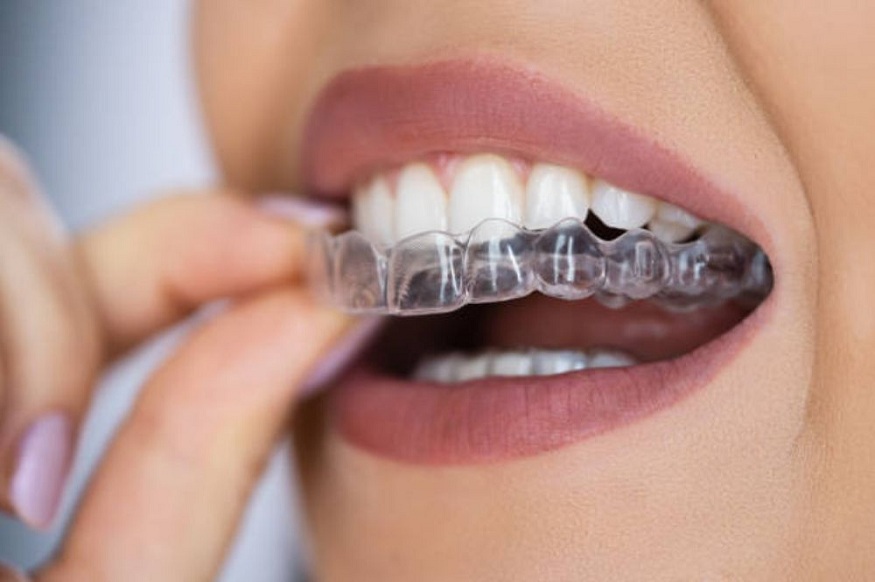
The evolution of dental science has moved rapidly from the era of bulky metal wires to a sophisticated digital landscape. Today, the quest for a perfect smile no longer requires the physical and aesthetic sacrifices once associated with traditional braces. Instead, a new frontier of orthodontic care has emerged, powered by artificial intelligence, 3D printing, and high-resolution imaging. This transition represents more than just a change in materials; it is a fundamental shift in how dental alignment is conceptualised and executed, offering a glimpse into the high-tech future of oral healthcare.
The Digital Blueprint: Precision Scanning and AI
At the heart of modern orthodontics is the transition from messy physical moulds to precise intraoral scanning. In years past, patients had to endure uncomfortable putty impressions that were often prone to human error. Today, high-speed digital scanners capture thousands of images per second, creating a highly accurate 3D model of the oral cavity. This digital twin allows clinicians to visualise the movement of teeth with sub-millimetre precision.
Read More:Which Filling Material Is Best for Front Teeth?
Once the digital map is created, advanced artificial intelligence algorithms take over. These systems analyse the current position of the teeth and calculate the most efficient path to the final desired outcome. By simulating forces and movements in a virtual environment, practitioners can identify potential roadblocks before treatment even begins. This level of predictability ensures that every stage of the alignment process is purposeful, reducing the overall duration of treatment and minimizing the need for mid-course corrections.
SmartTrack Material: Engineering Comfort
While the software provides the roadmap, the hardware—the aligners themselves—is a feat of material science. Unlike standard plastics used in the early days of clear aligners, modern orthodontics utilises proprietary multilayer polymers designed specifically for orthodontic tooth movement. These materials are engineered to apply gentle, constant force, which is more comfortable for the patient and more effective for moving roots.
The “smart” nature of these materials lies in their elasticity and grip. They are designed to fit snugly over the teeth, ensuring that the force is distributed exactly where the AI-driven plan dictates. Because these modern solutions like Invisalign use to improve smiles, patients benefit from a treatment that is virtually invisible yet structurally superior to older alternatives. This material innovation also means fewer emergency appointments for broken wires or poked cheeks, allowing the treatment to fit seamlessly into a busy Australian lifestyle.
Customisation Through 3D Printing
The manufacturing process has also seen a revolution. Every single aligner in a patient’s series is unique, and 3D printing technology is what makes this mass customisation possible. Once the digital plan is finalised, it is sent to a robotic fabrication facility where high-resolution 3D printers create the aligner stages.
This ensures that each tray is a perfect match for the patient’s anatomy at that specific point in time. The integration of 3D printing allows for a level of customisation that traditional braces simply cannot match. From scalloped edges that follow the gum line for better comfort to integrated “power ridges” that help with complex tooth rotations, the technology ensures that the appliance is working at maximum efficiency 24 hours a day.
Remote Monitoring and the Connected Patient
One of the most significant shifts in smart orthodontics is the move toward “teledentistry” and remote monitoring. High-tech orthodontic systems now often include smartphone apps that allow patients to scan their teeth at home. These images are then uploaded to a platform where AI and the treating dentist can monitor progress in real-time.
Read More:Best Pediatric Dental Clinics Near You How to Choose the Right One
If the teeth are moving according to plan, the patient may be cleared to move to the next set of aligners without a physical office visit. If a tooth is lagging, the system flags it immediately. This connectivity reduces the number of “check-up” appointments required, making treatment much more accessible for those living in rural areas or those with demanding work schedules. It empowers the patient to be an active participant in their journey, providing instant feedback and a clear visual of their progress.
The Future of Clinical Outcomes
The intersection of technology and biology is ultimately about enhancing patient experience and ensuring that the final aesthetic result is matched by functional health. By using data-driven insights, dentists can ensure that the bite is balanced and the long-term health of the jaw joint is preserved. As we look forward, the integration of even more advanced biopolymers and real-time tracking sensors within aligners will likely continue to shorten treatment times. Smart Invisalign technology has effectively turned orthodontics from a reactive craft into a proactive, high-tech discipline, proving that the future of the Australian smile is both digital and bright.