The Everyday Science of Smile Transformation: How Invisalign Encourages Better Awareness of Dental Health and Oral Hygiene
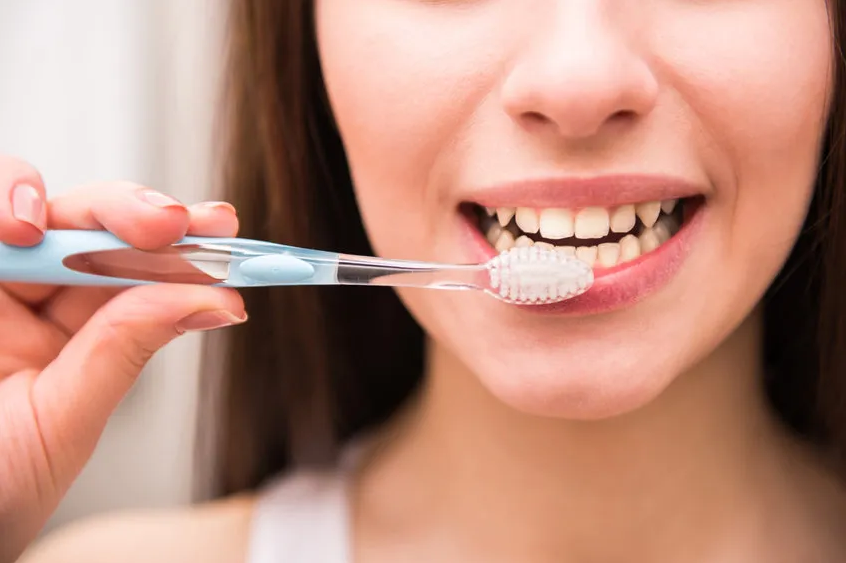
A smile transformation is often imagined as a journey towards straighter teeth, improved symmetry and greater confidence. Yet beneath the visible changes lies something more interesting: the opportunity to develop a deeper understanding of oral health. Modern orthodontic treatment is no longer simply about changing how teeth look. It can also encourage people to reconsider their daily hygiene habits, become more attentive to their dental wellbeing and recognise the relationship between healthy teeth and lasting confidence.
This is one reason Invisalign has become an increasingly recognised option in contemporary dentistry. Using a series of custom-made, transparent aligners, the treatment gradually moves teeth towards their planned positions. Its appeal extends beyond aesthetics, offering a removable alternative to traditional fixed braces for suitable patients. More importantly, the experience can encourage a more conscious approach to everyday dental care, where small habits become part of a larger commitment to oral health.
The Science Behind a More Considered Smile
To understand the appeal of clear aligner treatment, it helps to appreciate the science of tooth movement. Teeth are not permanently fixed into the jawbone. They are supported by periodontal ligaments and surrounding bone, which respond to carefully controlled orthodontic forces.
When gentle, sustained pressure is applied to a tooth, biological processes within the supporting tissues allow gradual movement. Bone is remodelled around the tooth, making it possible to achieve planned changes in alignment over time.
Read More: Hormones and Their Connection to Oral Health
Clear aligners use this principle through a sequence of individually designed appliances. Each aligner is intended to make specific adjustments, with patients progressing through the series according to their dentist or orthodontist’s instructions.
Digital scanning and treatment-planning software can help clinicians map anticipated tooth movements and create a visual representation of the proposed treatment. These technologies make the process easier for many patients to understand, although actual results depend on individual anatomy, treatment complexity and compliance.
The science is particularly interesting because it demonstrates that smile transformation is not an overnight cosmetic change. It is a biological process that requires patience, professional monitoring and consistent participation.
How Removable Aligners Change Everyday Hygiene
One of the most practical differences between clear aligners and traditional fixed braces is removability. Because aligners can be taken out for meals, brushing and flossing, patients can generally maintain their familiar oral hygiene routines without navigating around brackets and wires.
This convenience can become an opportunity to improve daily habits.
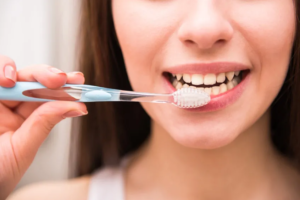
People undergoing orthodontic treatment often become more conscious of how thoroughly they clean their teeth. They may pay closer attention to the gumline, the spaces between teeth and areas where food particles can accumulate. Brushing twice daily with fluoride toothpaste and cleaning between teeth remain essential, regardless of the orthodontic appliance being used.
However, removable aligners also introduce responsibilities. They should be cleaned according to professional instructions, and patients should brush their teeth before reinserting them after eating. Wearing aligners over teeth that have not been properly cleaned can trap food debris and plaque against tooth surfaces.
Water is generally the safest drink while wearing aligners. Hot beverages can distort the plastic, while sugary or acidic drinks may increase the risk of dental problems when consumed with the appliances in place.
The lesson is straightforward: convenience works best when supported by discipline.
A New Relationship Between Beauty and Dental Health
Contemporary beauty culture increasingly recognises that appearance and wellbeing are not entirely separate. Healthy-looking skin, natural hair and confident expressions are often associated with routines that prioritise long-term care rather than temporary improvements.
Dental health is becoming part of this broader conversation.
For many people, orthodontic treatment is an opportunity to address concerns about crowding, spacing or bite alignment while exploring how their smile contributes to personal confidence. Clear aligners can be particularly appealing to adults who prefer a less noticeable orthodontic option in professional and social environments.
In this context, Invisalign has become an essential part of modern beauty routines for people who view smile care as an investment in both appearance and oral wellbeing.
Nevertheless, it is important to distinguish between cosmetic expectations and clinical benefits. Straighter teeth may be easier to clean in some circumstances, particularly when crowding makes certain surfaces difficult to reach. Correcting particular bite problems may also improve how teeth meet and distribute chewing forces.
But orthodontic treatment does not automatically prevent tooth decay or gum disease. Healthy outcomes still depend on proper hygiene, professional care and appropriate treatment planning.
Read More: A Healthier Smile in a Busy Life: Making Oral Care a Natural Part of Orthodontic Treatment
The most meaningful transformation is therefore not simply a more symmetrical smile. It is a healthier relationship with the habits that maintain it.
Small Daily Decisions Make a Significant Difference
Perhaps the greatest behavioural benefit of removable orthodontic treatment is the way it encourages patients to become active participants in their dental care.
Every meal creates a small decision: remove the aligners, enjoy the food, clean the teeth and return to treatment. Every morning and evening offers another opportunity to reinforce consistent hygiene habits.
Over time, these repeated actions can make people more aware of how ordinary routines influence their oral health.
There are several habits worth maintaining throughout treatment:
– Brush consistently: Clean teeth twice daily using fluoride toothpaste and a soft-bristled toothbrush.
– Clean between teeth: Use dental floss or suitable interdental brushes to remove plaque from areas a toothbrush cannot adequately reach.
– Clean aligners properly: Follow the manufacturer’s and dental professional’s cleaning instructions rather than using hot water or harsh cleaning products.
– Respect wearing schedules: Follow the prescribed daily wearing time, commonly around 20–22 hours, unless the treating professional advises otherwise.
– Attend dental appointments: Continue routine examinations and professional cleaning, alongside orthodontic reviews.
– Avoid unnecessary snacking: Frequent eating can make hygiene more challenging and increase exposure to sugars and acids.
These practices are not exclusive to orthodontic patients. They are valuable foundations of lifelong dental health.
Technology, Personal Responsibility and the Future of Orthodontics
Digital dentistry has changed the way patients experience orthodontic treatment. Three-dimensional scans, computer-assisted planning and remote monitoring options can support more convenient communication and help clinicians assess treatment progress.
Some patients may also use digital applications to receive reminders, monitor aligner changes or remain engaged with their treatment schedules.
Yet technology should never create the impression that professional supervision is optional. Clear aligners are medical devices, and treatment suitability must be assessed by a qualified dental practitioner. Some complex orthodontic conditions may require alternative approaches or additional techniques.
Patients should also understand that results vary. The effectiveness of treatment depends on clinical circumstances, appropriate planning and wearing the aligners as directed.
The future of orthodontics will likely involve an even closer relationship between digital innovation and personalised care. However, the underlying principle will remain unchanged: successful treatment requires a partnership between professional expertise and patient commitment.
A Smile That Reflects More Than Appearance
The everyday science of smile transformation reveals something important about modern dental care. Lasting improvements rarely come from a single dramatic intervention. They emerge through consistent habits, informed decisions and an understanding of how the body responds to treatment.
Clear aligners offer an opportunity to reconsider the relationship between orthodontics, personal confidence and preventive hygiene. Their removable design can make daily cleaning more manageable, while the treatment process encourages patients to become more attentive to their teeth and gums.
Ultimately, a beautiful smile should not be measured solely by alignment or symmetry. Its real value lies in the health, comfort and confidence it represents.
When technology encourages better habits rather than simply promising a better appearance, smile transformation becomes something far more meaningful: a daily investment in wellbeing that continues long after the final aligner has been removed.