A Healthier Smile in a Busy Life: Making Oral Care a Natural Part of Orthodontic Treatment
Modern life has a peculiar way of making time feel scarce. Between work commitments, family responsibilities, social occasions and the constant movement of everyday routines, health can sometimes become something people attend to only when a problem appears. Yet oral health rarely responds well to an “I’ll deal with it later” philosophy. Teeth and gums require consistent attention, particularly when a person is undergoing orthodontic treatment and their daily routine includes appliances, aligners or braces.
The challenge is not necessarily knowing what to do. Most people understand that brushing, flossing and regular dental visits matter. The greater challenge is making those habits fit naturally into a busy lifestyle. When oral care becomes effortless rather than another item on an already crowded checklist, maintaining a healthier smile becomes considerably more achievable.
Turning Daily Habits Into Smile Protection
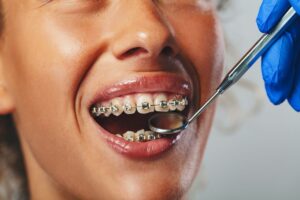
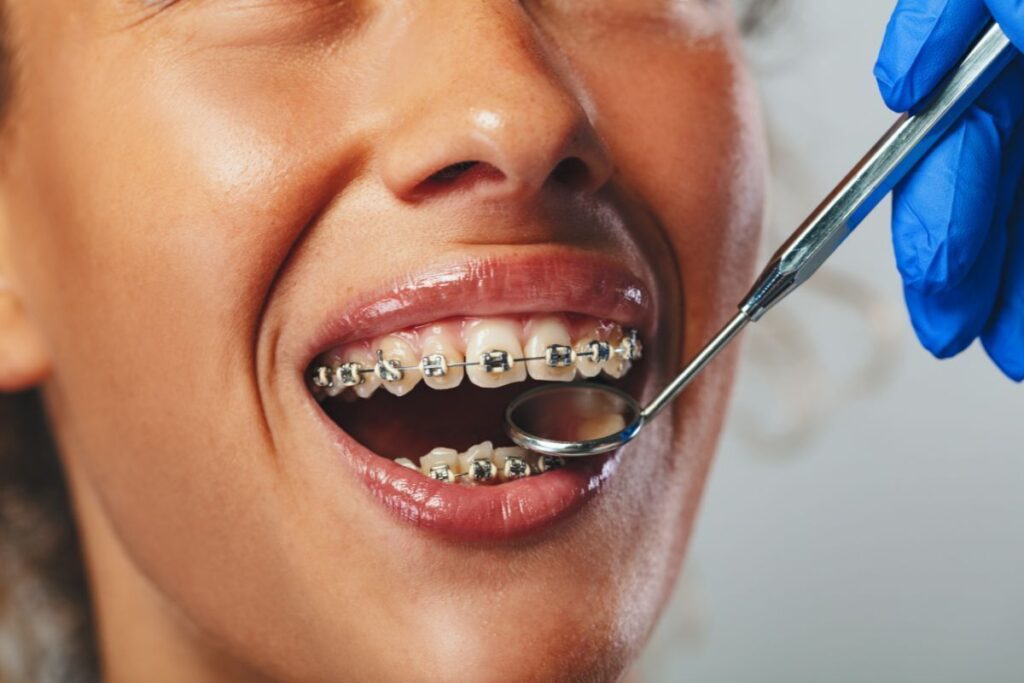
Orthodontic treatment changes the environment inside the mouth. Brackets, wires and other appliances can create additional areas where food particles and dental plaque accumulate. Clear aligners have their own considerations, as they are generally removed for eating and drinking before teeth are cleaned prior to reinsertion.
This makes an effective daily routine particularly valuable. Brushing twice a day with fluoride toothpaste remains an important foundation for preventing tooth decay, while cleaning between the teeth helps remove plaque from areas a toothbrush may not reach effectively. Depending on the appliance, interdental brushes, floss threaders or other cleaning aids may make the process easier.
The secret is consistency rather than perfection. A five-minute routine that happens every day is more valuable than an elaborate oral-care plan that becomes difficult to maintain. Attaching brushing and interdental cleaning to established habits—such as getting ready for work or preparing for bed—can help transform oral hygiene into an automatic part of the day.
Working With the Reality of a Busy Schedule
A busy lifestyle does not mean oral care has to be complicated. Small preparations can prevent rushed decisions later. Keeping a compact toothbrush, fluoride toothpaste and suitable interdental cleaning tools at work or in a travel bag can make maintaining hygiene easier after meals when circumstances allow.
Food choices can also influence the practicality of orthodontic care. Sticky, hard or excessively sugary foods may present additional challenges for people wearing fixed appliances. Choosing tooth-friendly snacks and drinking water throughout the day can support both general wellbeing and oral health.
For people using removable aligners, routine matters in a different way. Aligners need to be handled according to the treatment plan, and teeth should be cleaned before putting them back in after eating. Establishing predictable meal and cleaning patterns can reduce the temptation to leave aligners out for extended periods.
Good orthodontics is therefore not simply about moving teeth. It is also about creating conditions in which patients can maintain healthy teeth and gums throughout the process.
Technology Can Make the Journey More Convenient
Digital developments are changing how many dental treatments are planned and monitored. Digital scans can provide detailed representations of the teeth and surrounding structures without relying exclusively on traditional physical impressions. Digital treatment planning can also help clinicians visualise tooth movement and communicate treatment stages more clearly with patients.
For busy patients, technology can potentially make appointments and treatment monitoring more streamlined, depending on the practice and the individual’s treatment needs. Some orthodontic systems also provide patients with tools that help them understand their progress and remain engaged with their treatment plan.
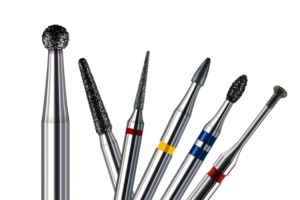
Read More: Busch Root Planing Burs: Precision German Engineering for Superior Periodontal Outcomes
However, technology does not eliminate the fundamentals. A sophisticated digital scan cannot replace daily brushing. A carefully planned treatment pathway cannot compensate for consistently neglected oral hygiene. The most useful innovations are those that complement good habits rather than attempt to replace them.
Making Oral Health Part of Everyday Life
One of the most important shifts during orthodontic treatment is psychological rather than technological: oral care needs to become part of ordinary life.
Instead of thinking of cleaning teeth as an interruption, patients can view it as maintenance—similar to charging a phone, preparing meals or getting enough sleep. The goal is to remove the sense that oral hygiene is an additional burden.
Families can make this easier by creating shared routines. Parents undergoing treatment with teenagers, for example, can establish common brushing times. Adults can build dental care around their morning and evening schedules. People who travel frequently can keep duplicate cleaning supplies in different locations rather than relying on memory to pack everything.
These seemingly minor changes can have a meaningful cumulative effect. Healthy smiles are rarely created through one dramatic action. They are shaped by hundreds of ordinary decisions repeated over time.
The Long-Term Value of Consistency
The purpose of orthodontic treatment extends beyond achieving straighter teeth. A well-maintained mouth during treatment provides a healthier environment in which those changes can occur. Protecting enamel, controlling plaque and maintaining healthy gums remain important throughout the process.
Regular professional appointments also provide opportunities for the dental team to identify concerns early. Patients should raise issues such as persistent gum irritation, appliance damage, unusual sensitivity or difficulty maintaining hygiene rather than waiting for the next scheduled visit.
Ultimately, the most sustainable approach is to build a routine that works with real life rather than against it. Busy schedules will continue, unexpected meals will happen and travel plans will occasionally disrupt established habits. A resilient oral-care routine is one that can adapt without disappearing altogether.
At its best, modern smile care combines professional guidance, practical habits and thoughtful innovation. By making oral hygiene an ordinary part of everyday living—and by embracing smarter smile technologies—patients can approach orthodontic treatment not simply as a temporary journey towards straighter teeth, but as an opportunity to build habits that support a healthier smile for years to come.